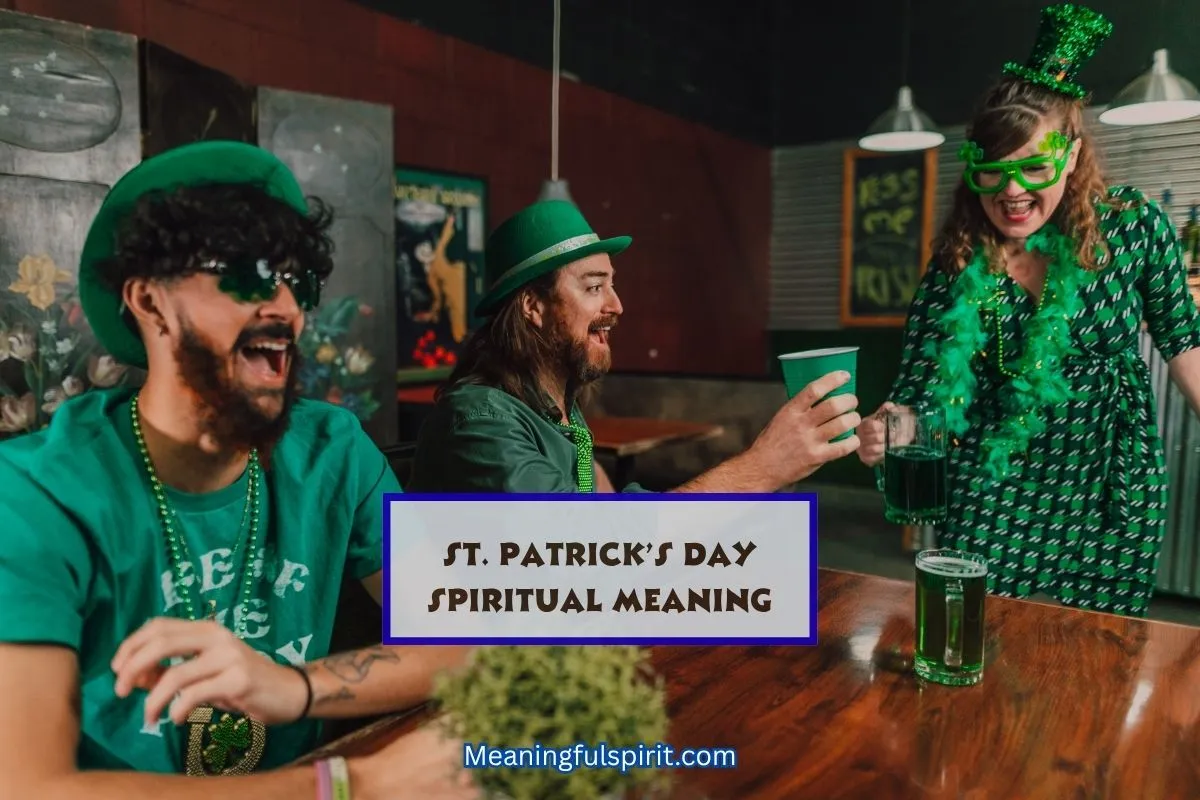
St. Patrick’s Day is celebrated around the world as a day of joy, heritage, and meaning. But have you ever wondered about its deeper significance? While it’s known for festivities and parades, this day has layers of historical and spiritual importance.
From symbols of faith to universal themes of renewal, St. Patrick’s Day offers much more than meets the eye.
Whether you’re a history enthusiast or someone seeking to learn the traditions behind this holiday, we’re exploring its origins, profound meanings, and cultural impact worldwide.
What Is St. Patrick’s Day and When Is It Celebrated?
St. Patrick’s Day honors Ireland’s patron saint. Celebrated annually on March 17, this day has become synonymous with Irish pride and identity. The date marks the anniversary of St. Patrick’s death, believed to be in the 5th century.
Originally a religious feast day, St. Patrick’s Day has expanded beyond its sacred roots. Today, it’s recognized globally, from its Irish origins to cities like New York, Sydney, and Tokyo. However, its heart remains a mix of spiritual reflection and cultural celebration.
The church initially used this day to commemorate St. Patrick’s contributions to Christianity. He was instrumental in spreading the faith across Ireland, introducing the concept of the Trinity using the famed shamrock. Over the centuries, it evolved into a broader celebration of Irish heritage and spirituality.
Now, St. Patrick’s Day brings communities together. Whether through parades, green costumes, or quiet prayer, it serves as a reminder of faith, perseverance, and cultural pride.

The History and Origins of St. Patrick’s Day
The history of St. Patrick’s Day begins with St. Patrick himself. Born in Roman Britain in the late 4th century, Patrick was kidnapped and enslaved in Ireland as a teenager. After several years of hardship, he escaped but eventually returned as a Christian missionary.
His mission was profound. Patrick introduced Christianity to Ireland during a time when pagan traditions were dominant. Using his knowledge of Irish customs, he explained Christian theology in ways the local communities could connect with, solidifying his role as a bridge between beliefs.
St. Patrick’s influence grew, and by the 7th century, he was honored as Ireland’s patron saint. The first recorded St. Patrick’s Day celebrations date back to the 9th or 10th century as purely religious observances.
By the 18th century, Irish immigrants in countries like the United States popularized St. Patrick’s Day with festive parades. The holiday became intertwined with Irish nationalism and pride, transforming into a global phenomenon. Through its evolution, it’s remained a day of gratitude for St. Patrick’s sacrifices and the resilience of Irish culture.
10 Deeper Spiritual Meanings Behind St. Patrick’s Day

1. Faith That Endures Through Hardship
St. Patrick’s life is a story of unwavering faith amidst suffering. As a young man captured and enslaved in Ireland, he faced immense adversity. Despite this, his faith remained steadfast and became the anchor that guided him through his darkest days.
This profound belief allowed him to endure harsh conditions with hope and resilience. It speaks to the human capacity to find light in the midst of despair.
His journey reminds us that faith can be a source of strength, especially when facing trials that test our limits. Patrick’s story is a testament to how spiritual grounding can transform even the bleakest situations into opportunities for growth.

By reflecting on his experience, we’re encouraged to draw upon our own inner strength and faith during life’s hardships.
2. Unity Found Across Diversity
St. Patrick’s Day holds deep cultural and spiritual significance, but it has also become a unifying celebration for people of all backgrounds. Though rooted in Christian tradition, it has evolved into a day embraced by diverse communities.
This inclusivity demonstrates that shared values can bring people together, transcending cultural or religious differences. The holiday inspires unity, reminding us of the importance of finding common ground.
Through parades, festivities, and gatherings, St. Patrick’s Day highlights the beauty of community and togetherness. It’s a celebration of how traditions can bridge divides and foster connection.
Patrick’s legacy teaches us that it’s possible to honor our unique identities while embracing the diversity around us.
3. Themes Of Renewal And Growth
March, the month of St. Patrick’s Day, marks the start of spring—a season of renewal and new beginnings. This natural symbolism aligns beautifully with the spiritual themes of the holiday.
For many, St. Patrick’s Day is a moment to pause and reflect on personal growth, much like the fresh blooms of spring. It’s an opportunity to embrace change and start anew.

The day encourages us to shed old habits or burdens, allowing space for transformation and progress. This connection between nature’s cycles and human growth adds a deeper layer of meaning to the celebration.
By honoring St. Patrick’s Day, we’re reminded not just of history but of the importance of constantly evolving and thriving.
4. Guidance From Mentorship And Leadership
Patrick’s role as a missionary underscores the value of mentorship and the power of guidance. He didn’t simply preach to the people of Ireland—he taught, supported, and uplifted them.
His leadership style was founded on empathy and a genuine desire to help others find their spiritual path. This approach left a lasting legacy of trust and connection.
Mentorship, as demonstrated by Patrick, is about more than imparting knowledge; it’s about empowering others to grow. His life highlights the importance of serving as a guide and a source of inspiration.
Reflecting on his story encourages us to recognize and appreciate the mentors in our lives who shape and support us.
5. Shamrock As A Symbol Of Balance And Unity
The shamrock, one of the most enduring symbols of St. Patrick’s Day, holds deep meaning. Traditionally, it represents the Holy Trinity—the Father, Son, and Holy Spirit.

Beyond its religious significance, the shamrock symbolizes balance and harmony in life, thanks to its three interconnected leaves. Its simplicity conveys a profound message of unity and interconnectedness.
Patrick used the shamrock as a tool to teach complex spiritual ideas, showing how nature can serve as a bridge to understanding larger truths. It’s a reminder of the beauty found in simplicity.
By embracing the symbolism of the shamrock, we’re invited to reflect on the importance of harmony and connection in our own lives.
6. Strength That Emerges From Adversity
One of the most powerful aspects of Patrick’s story is how he turned his greatest hardship—enslavement—into a source of purpose and strength. His time in captivity became the foundation of his faith and mission.
Rather than succumbing to bitterness, Patrick chose to use his suffering as a catalyst for transformation. His resilience is a reminder of humanity’s ability to rise above challenges.
This theme of growing stronger through adversity resonates universally. It teaches us that even the most difficult times can lead to profound growth and clarity.
Patrick’s journey encourages us to find meaning in our struggles and use them as stepping stones toward a greater purpose.

7. Honoring Heritage And Celebrating Ancestry
For many, St. Patrick’s Day is a celebration of pride in Irish heritage and ancestry. It’s an opportunity to honor the traditions and cultural roots that shape our identities.
The holiday also serves as a reminder of the importance of preserving cultural heritage while embracing the shared experiences of others. It’s a bridge between past and present.
By celebrating St. Patrick’s Day, individuals connect with their roots, creating a sense of belonging and unity with others who share similar backgrounds.
Patrick’s legacy inspires us to cherish our origins while building connections that transcend cultural boundaries.
8. Kindness As A Core Part Of Leadership
Patrick’s leadership was defined by his compassion and humility. He led not through force or authority but through understanding and kindness.
This approach made him a beloved figure, as his influence stemmed from genuine care for the people he served. His story reminds us that kindness is one of the most powerful tools a leader can possess.
Leadership rooted in empathy fosters trust, collaboration, and enduring connections. It’s not about dominance but about uplifting others.

Patrick’s life encourages us to approach leadership with grace, showing that true influence comes from a place of compassion.
9. Connection Between Nature And Spirituality
The natural beauty of Ireland is deeply tied to the spirit of St. Patrick’s Day. The rolling green landscapes and vibrant shamrocks evoke a sense of wonder and appreciation for the environment.
This connection inspires gratitude for the world around us and reminds us of our responsibility to protect it. Nature is not only a backdrop but a vital part of the celebration.
For Patrick, the natural world served as a tool to convey spiritual truths, illustrating the interconnectedness of life. This reinforces the idea that nature and spirituality are deeply intertwined.
St. Patrick’s Day encourages us to cherish the environment and recognize its role in our spiritual and cultural lives.
10. Resilience Passed Down Through Generations
St. Patrick’s Day is a celebration of perseverance, both spiritually and culturally. It honors the strength of past generations who endured hardships and emerged stronger.
The day serves as a tribute to the resilience of the Irish people, who have carried their traditions and spirit forward despite adversity. This perseverance is a source of inspiration for all.

Whether through fasting, prayer, or reflection, the holiday highlights the power of endurance and determination. It’s a day to reflect on the challenges we’ve overcome and the strength we’ve inherited.
Patrick’s legacy reminds us of the enduring nature of resilience and its role in shaping individuals and communities.
Cultural Importance of St. Patrick’s Day Around the World
While it began in Ireland, St. Patrick’s Day is now celebrated globally. Its cultural importance varies, but the threads of unity, pride, and festivity run through every observance.
United States
The U.S. takes the festivities to a grand scale, with cities like New York and Chicago hosting iconic parades and events. These celebrations often highlight the contributions of the Irish-American community.
Ireland
Contrary to the perception of lively festivals, St. Patrick’s Day in Ireland has a more reflective tone, focusing on its religious origins. However, larger cities like Dublin now host vibrant parades to cater to tourists.
Other Nations
Countries like Canada, Australia, and Japan have embraced St. Patrick’s Day as a way to honor Irish culture. Communities organize events, serving traditional food, hosting music performances, and lighting landmarks with green lights.
This international appeal underscores the holiday’s role in breaking cultural boundaries.

Famous Legends, Popular Myths, and Superstitions Linked to St. Patrick’s Day
Many fascinating stories surround St. Patrick’s Day. While some are rooted in history, others grew from folklore and imagination.
Banishing the Snakes
One popular legend claims St. Patrick drove all snakes out of Ireland. While largely symbolic (snakes were a metaphor for paganism), this tale underscores his triumph over challenges.
The Power of the Shamrock
The shamrock’s connection to spiritual growth has fed myths about its magical properties. Some believe carrying one brings good luck and protection.
Legend of the Celtic Cross
St. Patrick is also credited with creating the Celtic Cross, blending sun worship with the Christian cross. It’s a powerful symbol of Ireland’s spiritual evolution.
Green for Luck
The association of green with St. Patrick’s Day is steeped in superstition. Green is thought to ward off mischievous spirits and bring fortune.
Pots of Gold and Leprechauns
While primarily tied to Irish folklore, leprechauns and pots of gold at the end of rainbows are now iconic symbols of the holiday. These playful legends add a whimsical touch to the celebrations.
Final Thoughts
St. Patrick’s Day is far more than a day of parades and green outfits. Its roots run deep in faith, community, and culture. By understanding the history and spiritual meanings, we can truly appreciate the significance of this global celebration.

Are you curious to uncover more about other cultural events and their deeper meanings? Stay connected with us for fresh historical insights and fascinating stories.
You Might Also Like
1)
2)
3)
4)
5)